
Trieste, between the Adriatic and the Karst
Trieste is located in the far northeast of Italy, right on the border with Slovenia. Thanks to its strategic position, it is easily accessible by air, rail and road.
Straight-line distances from Trieste. Hover a city to highlight it.
Getting to Trieste
By plane
Trieste Airport (TRS – Ronchi dei Legionari), 33 km from the city centre. Trains directly connect the airport terminal to Trieste Centrale station in about 30 minutes; regional bus route 51 runs regularly between the airport and Trieste Centrale station.
Venice Marco Polo (VCE), 120 km from Trieste. Bus routes and shuttle buses connect the airport to Venice-Mestre railway station (then direct trains to Trieste); connection also by bus (FlixBus) or private car shuttle (GoOpti).
Treviso (TSF), 145 km from Trieste. Bus routes and shuttle buses connect the airport to Treviso and Venice-Mestre railway stations (then direct trains to Trieste); private car shuttle (GoOpti).
Ljubljana Airport (LJU), Slovenia, 114 km from Trieste. Connection by bus (FlixBus) or private car shuttle (GoOpti).
By train
Trieste’s main railway station, Trieste Centrale, is located in the heart of the city and offers regular high-speed (Frecciarossa, Italo) and regional train connections to Venice, Milan, Rome, and cross-border destinations towards Slovenia and Austria.
By bus
Trieste central bus station is located near Trieste Centrale railway station, with daily connections to several Italian and European cities.
By car
- A4 Torino–Trieste motorway
- A23 motorway (from Austria/Tarvisio)
- SS15 Via Flavia from the Rabuiese border crossing (Muggia)
- SS58 from the Fernetti border crossing
Staying on the Carso plateau? Take the relevant motorway exits before heading down into the city centre (e.g. Sgonico, Prosecco or Opicina).
Getting around
Public transport. Trieste has an efficient bus network connecting the city centre with suburban areas and the Carso plateau, run by Trieste Trasporti.
Taxis are available at designated stands (such as outside the train station) or by phone: RadioTaxi +39 040 307730 (app Radiotaxi Trieste); Tergeste Taxi +39 040 44478 (app IT Taxi).
Parking. Street parking in the city centre is mostly paid (blue lines) from 8:00 to 20:00. Multi-storey car parks: Saba Silos, Park Via Gioia, Park San Giusto, Saba Foro Ulpiano.
Where to stay
Trieste offers a wide variety of hotel and non-hotel accommodation (bed & breakfasts, guesthouses, serviced apartments) with different prices and styles.
If you are travelling by plane or train you may prefer to book your accommodation in the city centre. If you are travelling by car, why not stay just outside the city? The surrounding Carso (Karst) countryside is home to charming, picturesque villages where you can find cosy agriturismi (farmstays) and boutique guesthouses.
For a comprehensive list of accommodation options, please visit the Friuli Venezia Giulia official tourism website.
Partner hotels with special rates for TRF5 participants: soon available.
Discover Trieste
Trieste is a city of remarkable beauty, rich history and vibrant culture. Nestled between the Adriatic Sea and the dramatic Karst cliffs, it offers a unique blend of Italian elegance, Central European charm and stunning nature.
The heart of the city is Piazza Unità d’Italia, one of Europe’s largest sea-facing squares, surrounded by majestic 19th-century architecture.
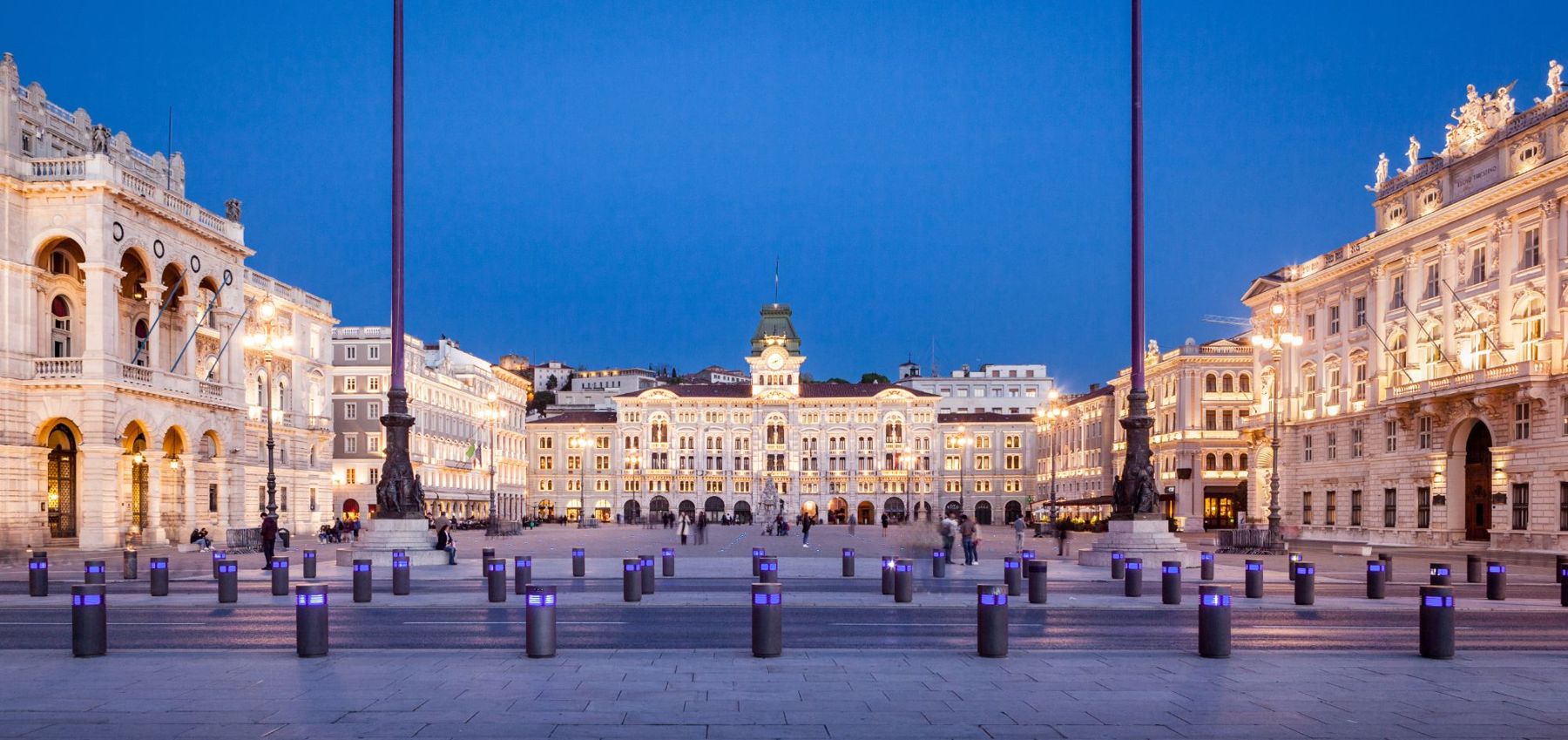
Piazza Unità d’Italia
The heart of the city: one of Europe’s largest squares open onto the sea, framed by Habsburg-era palaces.
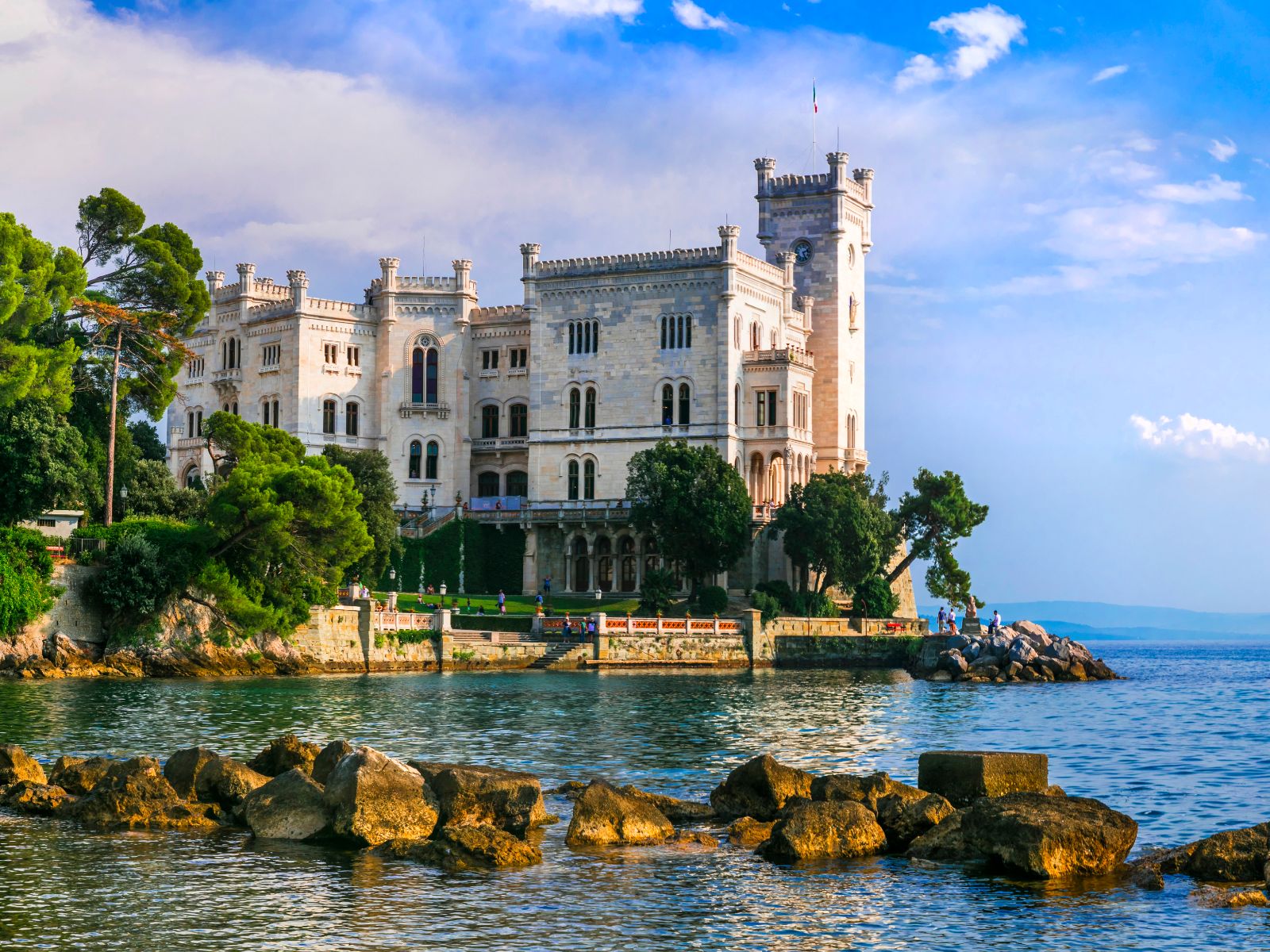
Miramare Castle
The white 19th-century residence of Archduke Maximilian of Habsburg, with its park overlooking the Gulf of Trieste.
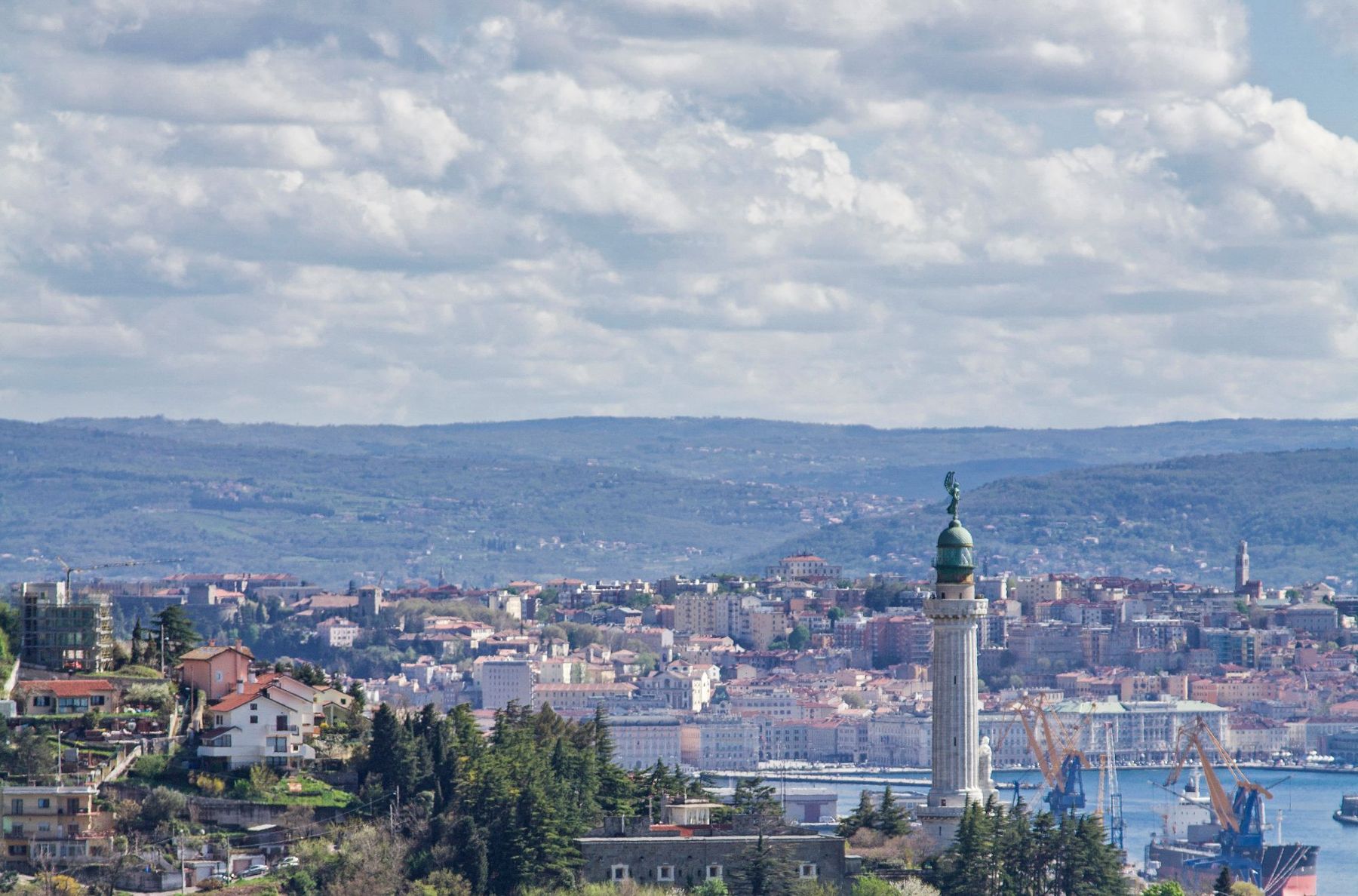
Faro della Vittoria
The Victory Lighthouse on the Gretta hill, a memorial to those lost at sea, with sweeping views over the city and the Gulf.
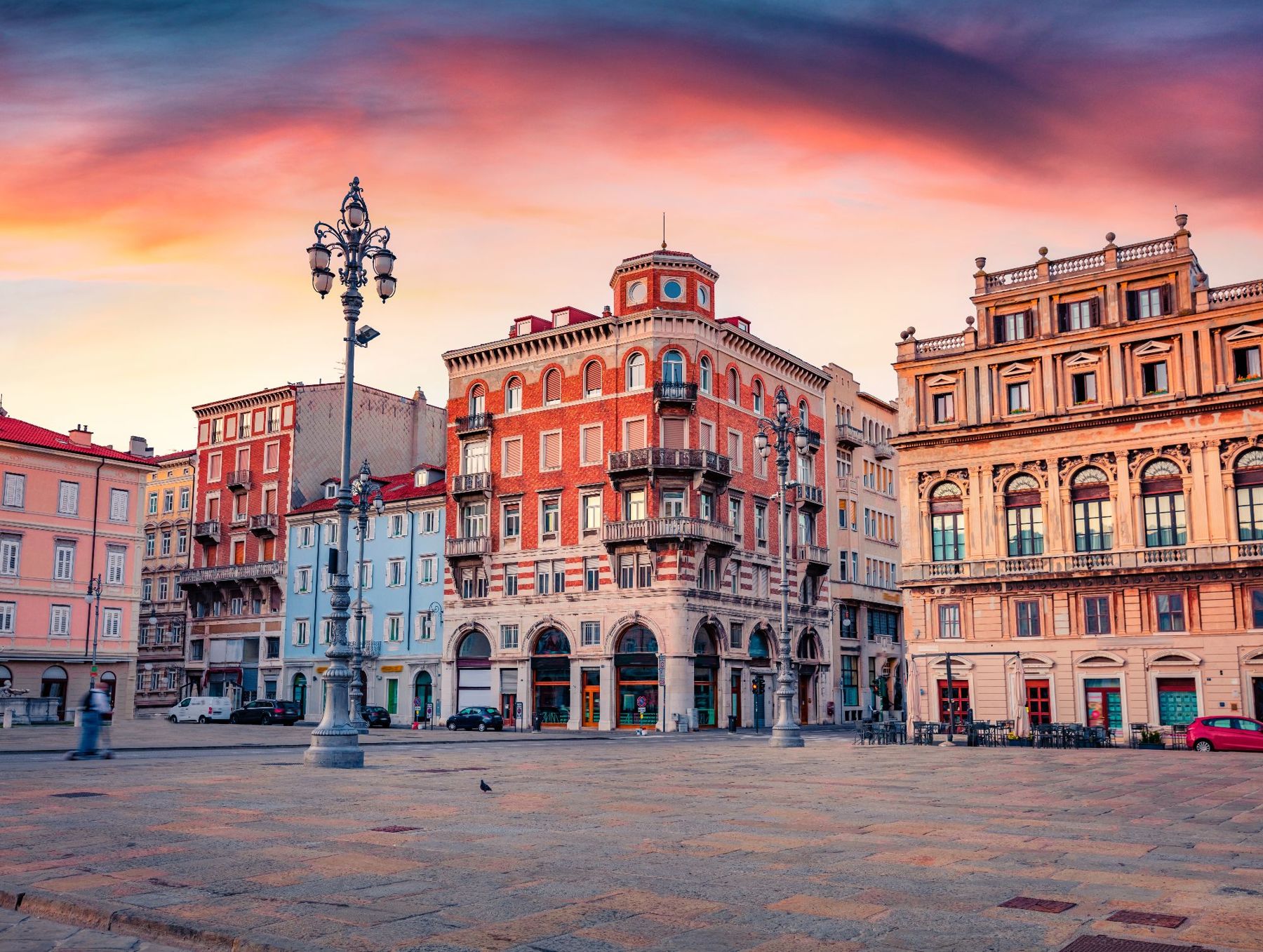
Borgo Teresiano
The 18th-century quarter around the Canal Grande, with the Roman Theatre and the historic literary cafés nearby.
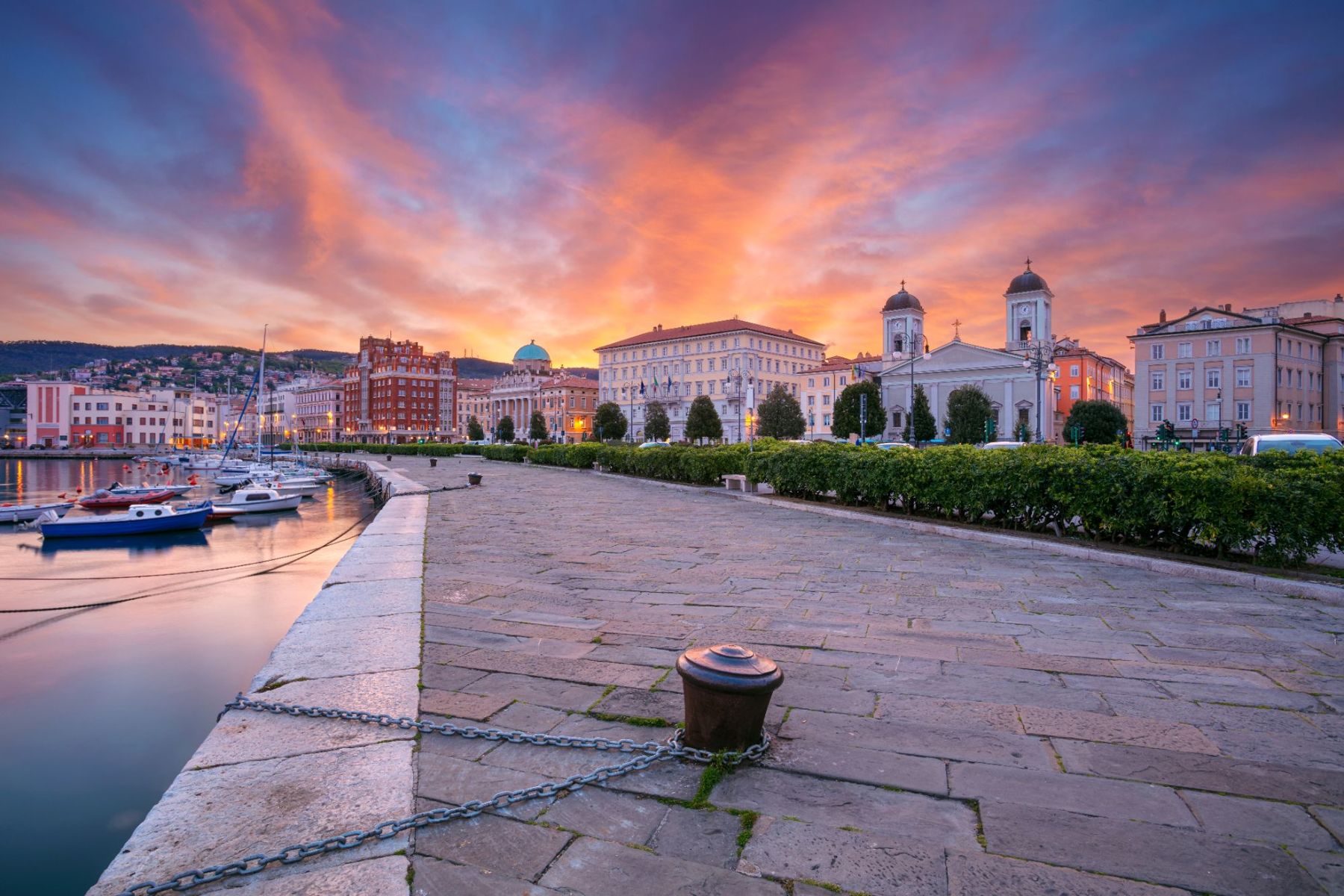
Molo Audace & Barcola
The pier for sunset walks and the seafront promenade where Triestini swim and sunbathe in summer.
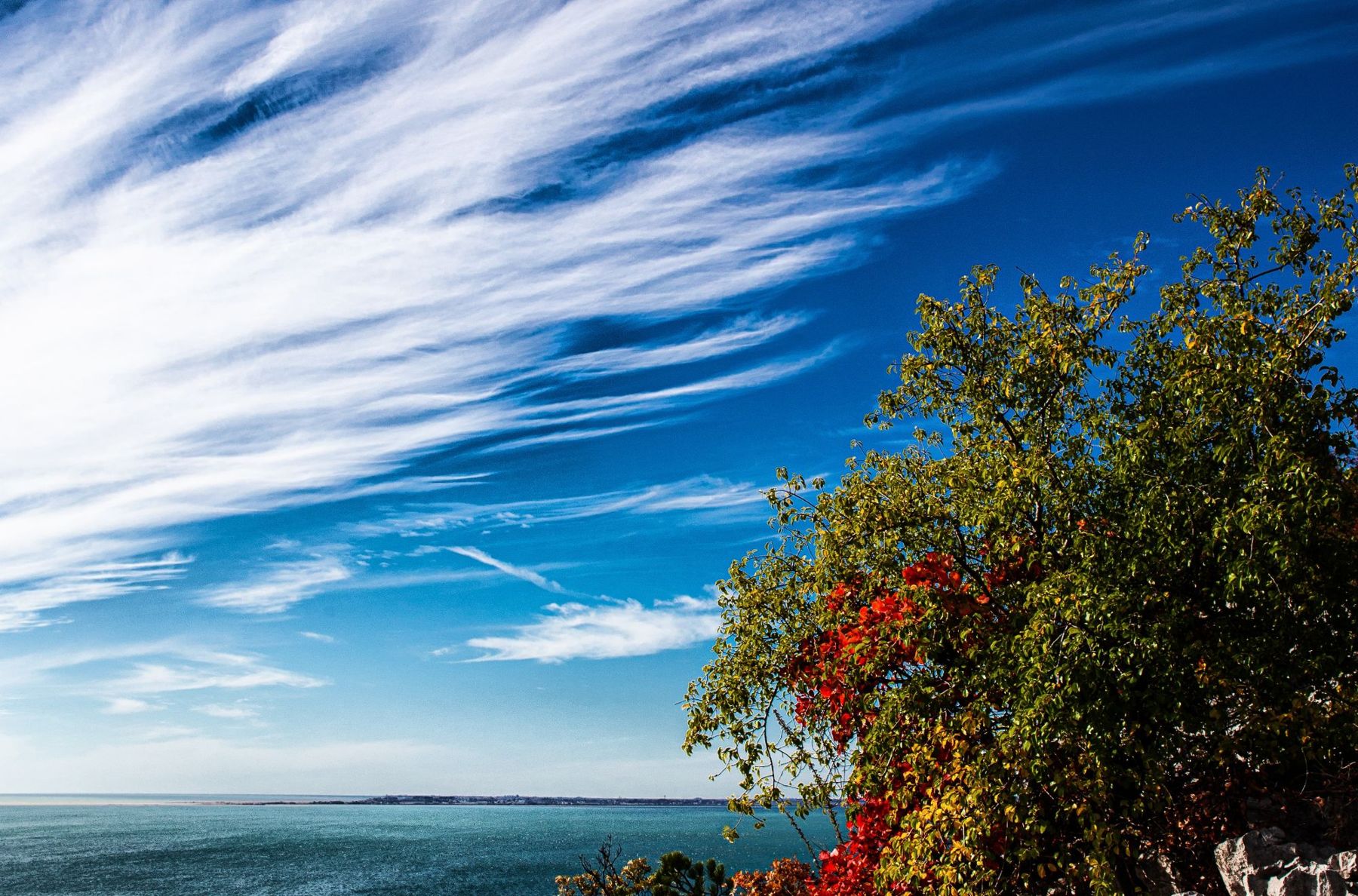
The Karst
The plateau above the city: the Napoleonic Way panoramic path, the Grotta Gigante cave and the traditional osmize.
A city of coffee
Since gaining free port status in the 18th century, Trieste has been Italy’s coffee capital, a title it proudly holds today as the Mediterranean’s top coffee port. Its historic cafés still preserve a vintage charm, having once welcomed literary legends like James Joyce, Italo Svevo and Umberto Saba.
Don’t miss this local tradition during your stay! Just remember to learn the local lexicon before ordering: a “nero” is an espresso, a “capo in b” is an espresso macchiato in a glass, and a “gocciato” features just a delicate drop of milk foam.
A capital of knowledge
Beyond its historic charm, Trieste is an international powerhouse for research and innovation. With over 30 scientific institutions and a density of 37 researchers per 1,000 inhabitants, the highest in Europe, it welcomes thousands of international scientists each year.
Major global hubs like ICTP – International Centre for Theoretical Physics, SISSA – International School for Advanced Studies, OGS – National Institute of Oceanography and Experimental Geophysics, the Elettra Sincrotrone light laboratory and the WWF Marine Reserve in Miramare make Trieste a true capital of knowledge.
Practical information
To make your trip smooth and hassle-free, here is essential practical information about daily life, services and local customs in Trieste and Italy.
- Time zone & climateCentral European Summer Time (CEST / GMT+2) will be in effect during the event. June and early July in Trieste are hot and sunny, with daytime temperatures typically between 28 °C and 34 °C (82–93 °F), with occasional peaks of 35 °C (95 °F) or higher during heatwaves.
- Electricity & plugs230 V, 50 Hz. Italy uses Type C and Type F (standard European 2-prong round plugs) and Type L (Italian 3-prong inline plug). If your devices use UK, US or other plugs, bring a universal travel adapter.
- Currency & paymentsEuro (€). Credit and debit cards (Visa, Mastercard) and digital wallets (Apple Pay, Google Pay) are widely accepted. Use official bank ATMs (Bancomat) rather than standalone exchange machines to avoid high conversion fees.
- TippingNot mandatory: service is included in your bill (coperto or service charge). A small tip (€1–2 per person, or rounding up the bill) for good service is appreciated.
- Opening hoursShops generally open 9:00/9:30–19:30; some smaller shops close between 12:30/13:00 and 15:30/16:00. Restaurants serve lunch 12:30–14:30 and dinner 19:30–22:30; cafés and snack bars stay open all day.
- SmokingSmoking, including e-cigarettes in many indoor spaces, is prohibited by law in all enclosed public places, restaurants, bars, venues and public transport stations. Outdoor smoking is permitted unless specified otherwise.
- Tap waterTap water in Trieste and across Italy is safe and tested to high standards. In restaurants, still or sparkling water is served bottled and charged separately.
- Mobile & Wi-FiEU/EEA citizens roam like at home (fair-use limits apply). Non-EU visitors may consider an Italian e-SIM or prepaid SIM (TIM, Vodafone, WindTre stores in central Trieste). Free Wi-Fi in most hotels and cafés.
- Emergency & healthSingle European emergency number 112, free from any phone. EU citizens can access urgent healthcare with their EHIC card; non-EU visitors are strongly advised to hold comprehensive travel health insurance.
Visa requirements
Participants are responsible for checking their individual visa requirements to enter Italy and obtaining any necessary travel documents prior to departure. For detailed information, visit the website of the Italian Ministry of Foreign Affairs.
Please note that the event organizers and the secretariat cannot contact embassies or consulates directly on behalf of visa applicants. As processing times can take several weeks, or even months depending on the country, we strongly encourage you to submit your visa application well in advance of your travel dates.
How to request a letter of invitation: soon available.
Conference venue
SISSA – International School for Advanced Studies
Via Bonomea 265
I-34136 Trieste
Italy
How to reach SISSA
The SISSA campus can easily be reached by public transport, which connects the campus to downtown Trieste (only 4 km away), or by car.
Coffee, water & refreshments
A bar service is available on the ground floor of the main SISSA building, Monday to Friday, from 8:00 to 19:00.
Campus map, accessibility & Wi-Fi
Soon available.
soon available
Bus line 38
Runs about every 15 minutes between SISSA and the city centre (Piazza Oberdan and Trieste Centrale railway station).
Line and frequency as published by SISSA; check the current timetable before travelling.